

This makes me feel Connected Delighted Empowered Heard at an Cultural / Public scale
Humanae
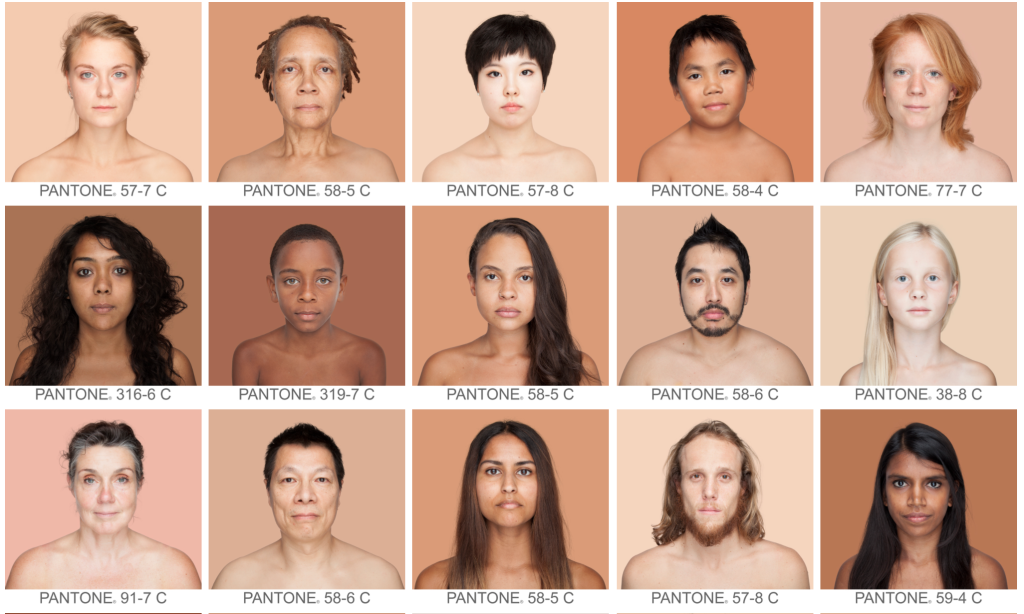
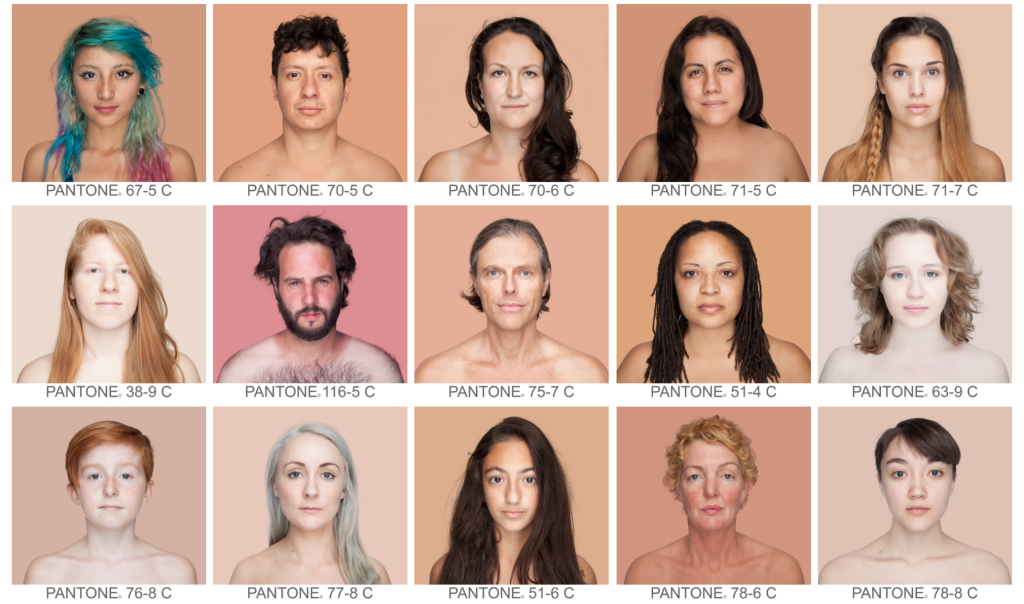
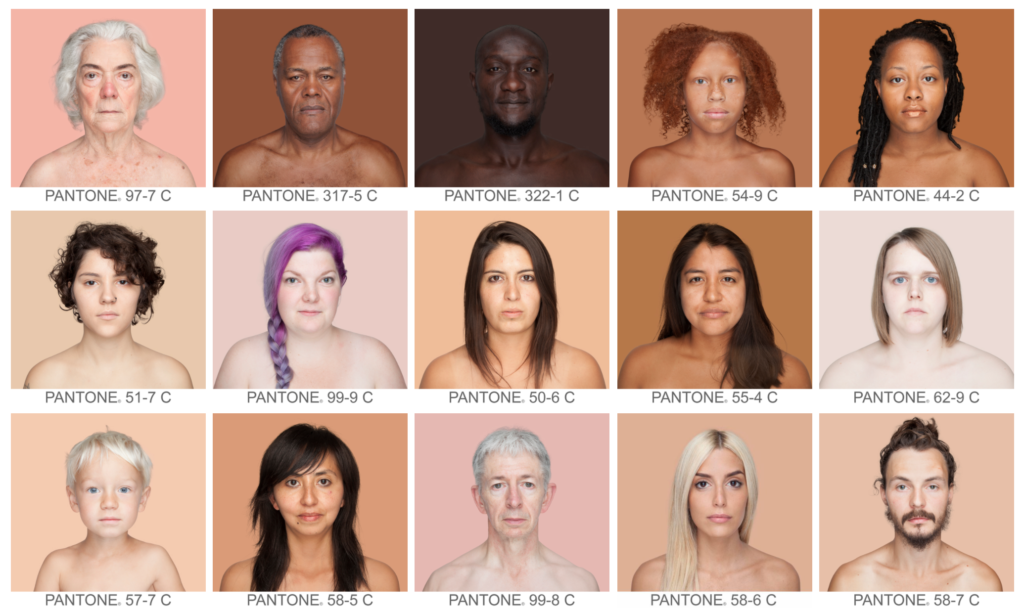
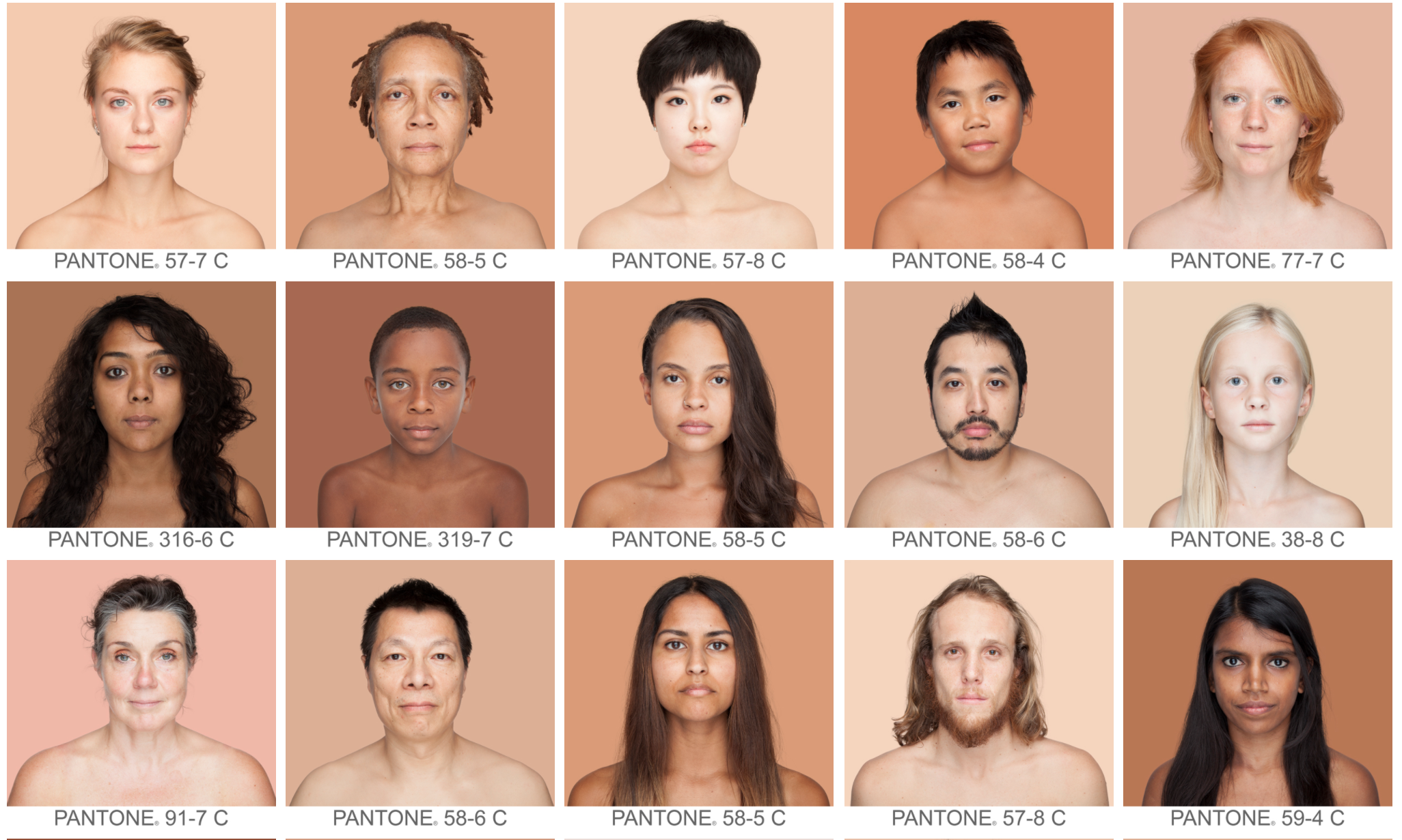
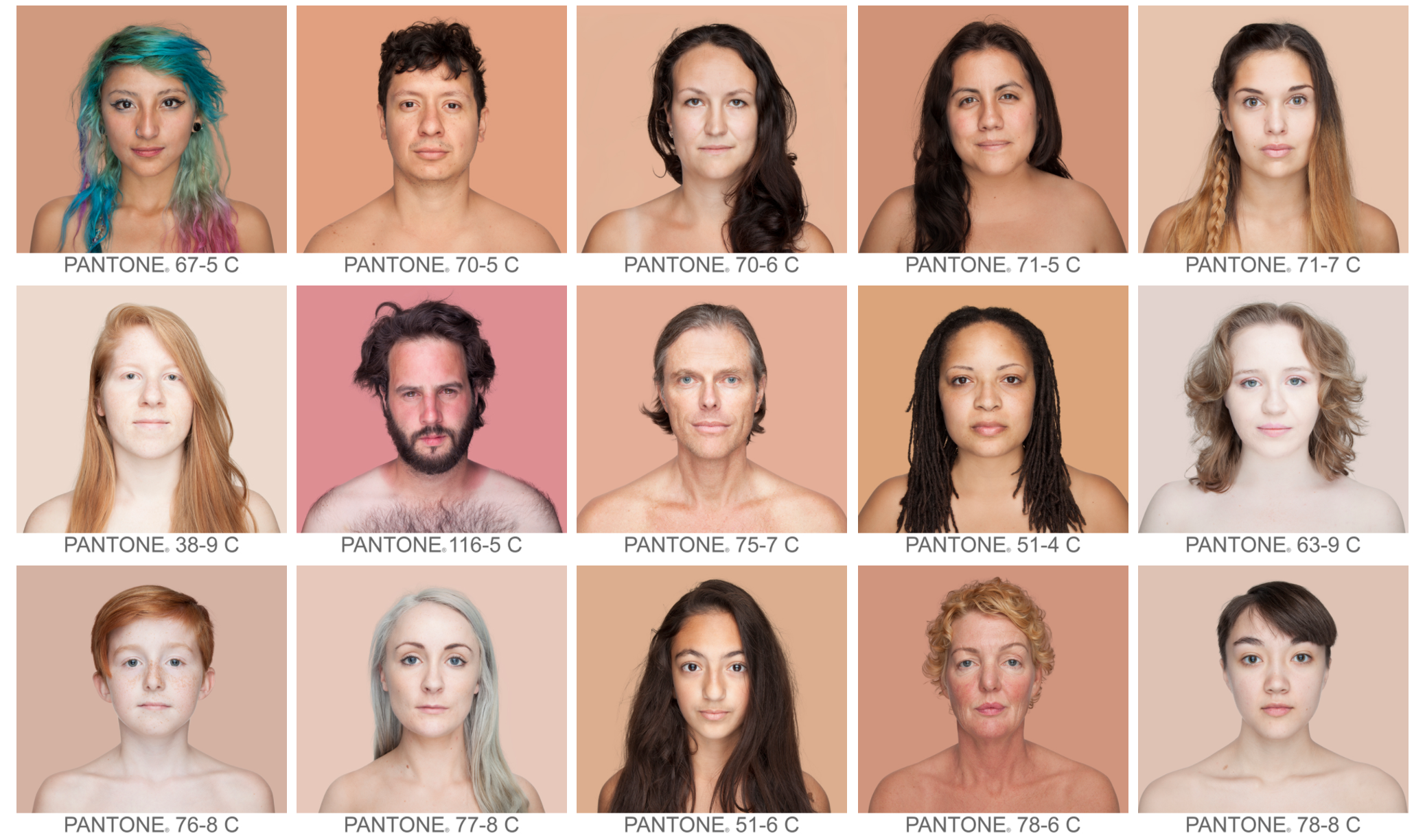
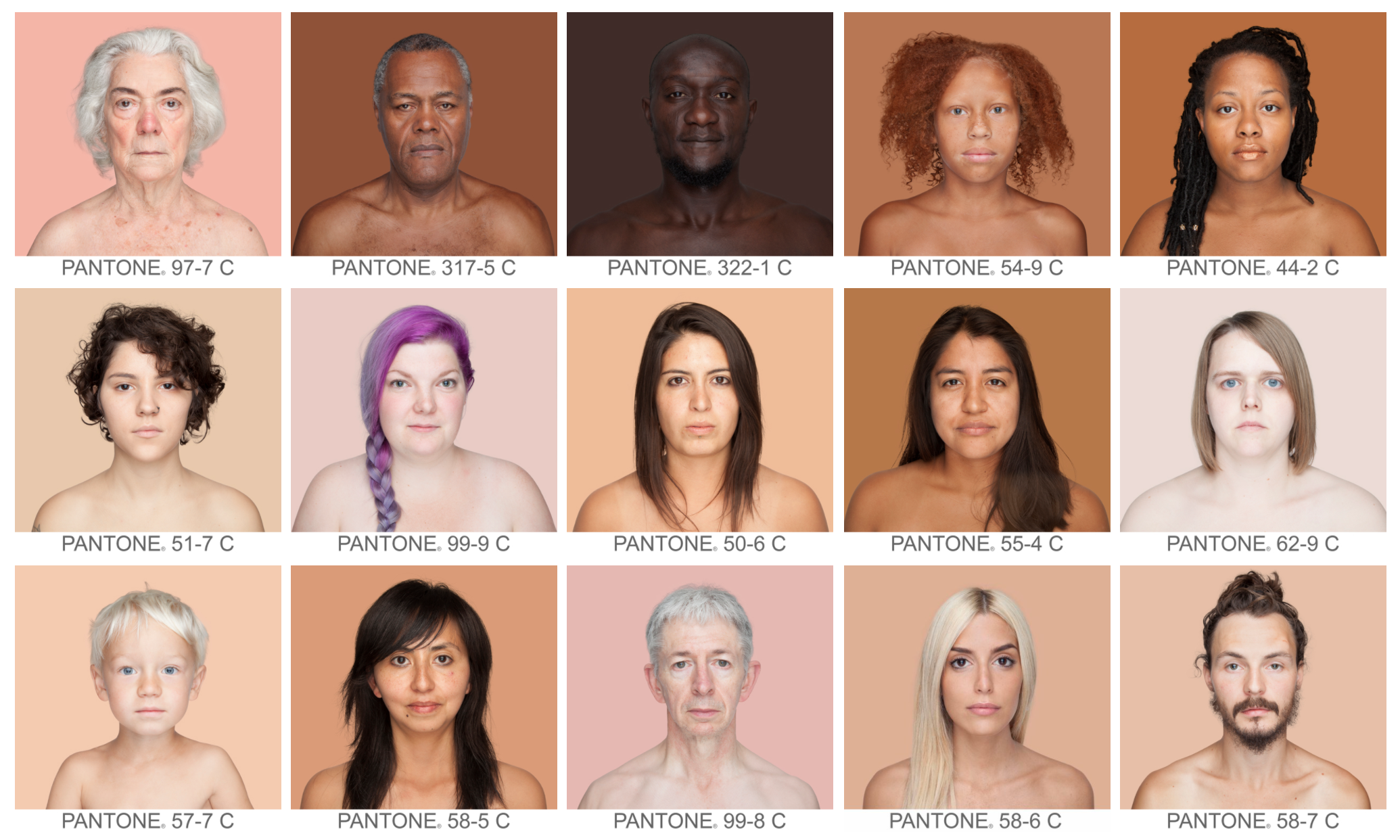
A photographic undertaking by artist Angélica Dass. The project demonstrates how every one of us is our own unique color and thus we are all the same in our difference.
Photographer Angélica Dass grew up in a family of multiple skin tones. While skin tone meant nothing within her family circle, she discovered that it meant everything out in the world. As part of her own efforts to understand skin tone and what it meant for her own identity, Dass began photographing people’s faces and then overlaying them on top the of pantone color that most closely resembled their skin. She started with friends and family, but the project grew, as people began discovering it online and contributing to it.
Initially Dass expected it to be a digital-only project. She liked that people could share it, both literally online, and also in their minds. But she began receiving invitations to exhibit the work, not just in galleries, but also in public spaces like train stops, the sides of buildings, and on the magazine cover for the political publication Foreign Affairs. People might stumble across the work and all of a sudden see themselves—and also so many others—portrayed in the middle of a public space.
Artists use the portraits for references, scientists use them for anthropological studies, and parents and teachers use them to demonstrate to children how we are all different, but also beautiful. Dass now teaches portrait classes, where adults and children alike are encouraged to discover their own color through the process of drawing a self-portrait.
Contributor notes
What is surprising, refreshing, most interesting?
The artist began by documenting the uniqueness of others. She then experienced other peoples' reactions to viewing her work, and in response to that experience, she began teaching classes that helped people to discover themselves for themselves through the medium of drawing.
Key Insights? What can we learn from this?
A personal struggle can generate great insight into cultural issues and lead to works that are simultaneously about the artist's own self, and also about every person who comes into contact with the work.